June 16, 2026 • Glass Cities Tree Service Team
What to Do If a Tree Falls on Your Car in Toledo Ohio
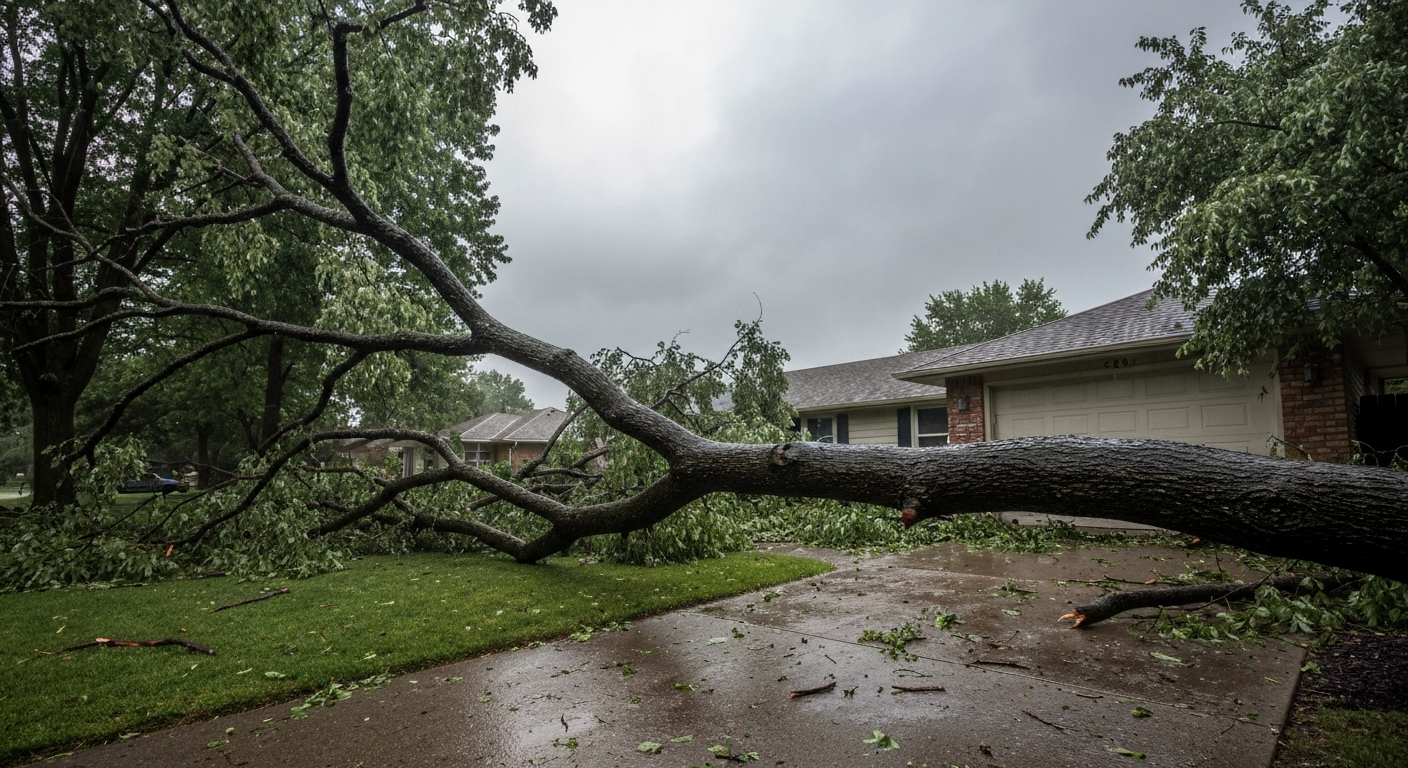
It’s every vehicle owner’s nightmare. You wake up after a severe Northwest Ohio storm, look out your window, and see a massive oak limb crushing the roof of your car. When a tree falls on your car in Toledo, Ohio, the situation can be incredibly stressful. You’re dealing with property damage, potential lack of transportation, and confusing insurance policies.
Handling the aftermath correctly is vital to ensure you stay safe and your insurance claim is processed smoothly. Here is a detailed, step-by-step guide on what to do when a tree damages your vehicle in the Glass City.
1. Prioritize Safety Above All Else
Your first instinct might be to rush out and inspect the damage, or perhaps try to move branches off the car. Stop. Before you approach the vehicle, look closely at the surrounding area. Storms often bring down power lines along with trees. If you see any wires touching the tree, the car, or the ground nearby, assume they are live and deadly. Call 911 and your utility company immediately.
Even if there are no power lines, the tree itself remains a hazard. The branches are likely under immense tension, and the vehicle’s suspension may be compressed. Shifting a branch could cause the tree to roll or the car to suddenly spring up, causing serious injury. Stay back and keep others away.
2. Document the Scene Thoroughly
Not sure about your tree's health?
Take our free interactive Tree Health Check to identify potential hazards before they become emergencies.
Start Free AssessmentBefore any cleanup begins, you must document the scene for your insurance claim. Grab your smartphone and take extensive photos and videos. Capture wide shots that show the entire tree, the car, and the surrounding environment. Then, take close-up photos of the specific damage to the vehicle—smashed windows, dented roof, scratched paint, etc.
Also, take photos of the tree trunk or the branch where it broke. If the wood looks completely rotted or hollow, document that. This information might be useful later, especially if the tree belonged to a neighbor or the city.
3. Understand Which Insurance Applies
This is where many homeowners get confused. If a tree falls on your car while it is parked in your driveway, you might assume your homeowner’s insurance covers the damage. This is incorrect.
Damage to a vehicle from a fallen tree, branch, or flying debris is covered by the comprehensive coverage portion of your auto insurance policy. Homeowner’s insurance only covers damage to structures (like your house, garage, or fence).
What if it was your neighbor’s tree? In Ohio, the "Act of God" rule applies. If a healthy tree falls due to a storm, you still file the claim through your own auto insurance. Your neighbor is only liable if you can prove they knew the tree was dead or dangerous and failed to act.
4. Call a Professional Tree Service for Removal
Do not attempt to pull the tree off the car yourself using a truck, ropes, or a chainsaw. You are highly likely to cause further damage to the vehicle or injure yourself.
Call a professional emergency tree service. Arborists have the rigging equipment and expertise needed to lift the heavy wood safely off the vehicle without causing secondary damage. They will carefully dismantle the tree and clear the area so your vehicle can be safely towed or inspected.
5. File the Auto Insurance Claim
Contact your auto insurance provider to initiate the claim. They will likely ask for the photos you took and will arrange for an adjuster to inspect the vehicle (or ask you to have it towed to an approved body shop).
Your auto insurance will typically cover the cost of removing the tree from the vehicle as part of the claim. However, they generally will not pay to haul the tree debris away from your yard or cut up the rest of the fallen tree. That portion of the cleanup is usually an out-of-pocket expense unless the tree also damaged a covered structure on your property.
Preventative Tree Care
To prevent this from happening again, regularly inspect the trees towering over your driveway or street parking areas. Look for dead branches, fungal growth, or severe leaning. Regular tree trimming and deadwooding can significantly reduce the risk of a branch crushing your vehicle during the next big Toledo storm.
Frequently Asked Questions
Get Your Free Tree Service Estimate
We typically respond within the hour.