June 17, 2026 • Glass Cities Tree Service Team
Does Homeowners Insurance Cover Tree Removal in Ohio?
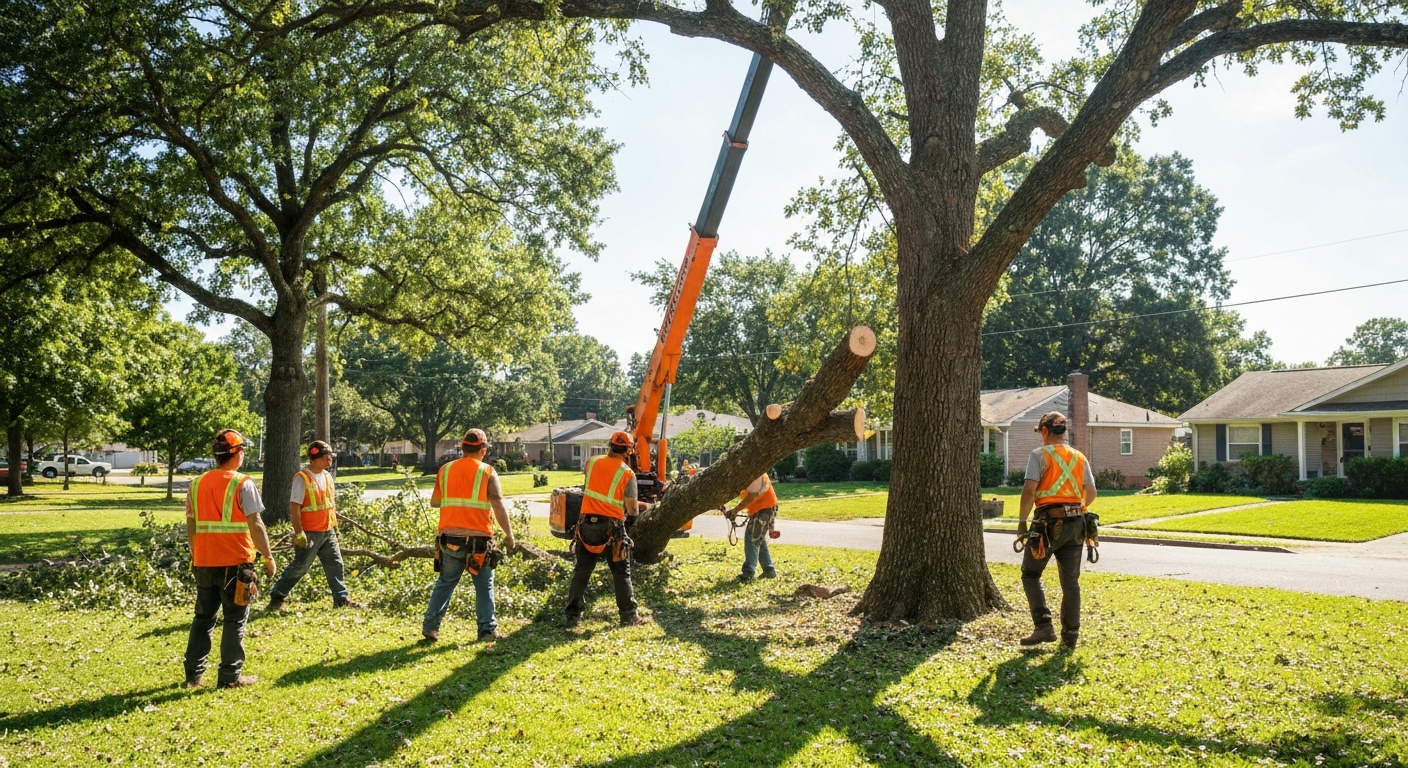
When a massive storm tears through Northwest Ohio, the resulting tree damage can be overwhelming. As you stare at a massive oak lying across your property, the first question that usually comes to mind is: "Is my homeowner's insurance going to cover this?" Understanding tree removal coverage in Ohio can save you from unexpected bills and major frustration.
Insurance policies can be dense and confusing, but when it comes to tree damage, the rules in Ohio generally follow a few consistent principles. Here is what you need to know about when your insurance pays, and when you have to open your own wallet.
When Insurance DOES Cover Tree Removal
In most cases, your homeowner's insurance will cover tree removal if the tree falls due to a covered peril (like a windstorm, lightning, or heavy ice) and it damages a covered structure.
Covered structures typically include:
- Your primary residence (house, roof, siding, windows).
- Detached structures like garages or sheds.
- Fences and sometimes extensive hardscaping.
If a tree crashes onto your roof during a Toledo derecho, your policy will generally pay to repair the roof and pay for the emergency tree service required to safely lift the tree off the house.
Additionally, many policies will cover removal if the fallen tree blocks a driveway or a handicap ramp, even if it didn't hit a building, because it prevents you from using the property safely.
When Insurance DOES NOT Cover Tree Removal
Not sure about your tree's health?
Take our free interactive Tree Health Check to identify potential hazards before they become emergencies.
Start Free AssessmentThere are several common scenarios where you will be entirely responsible for the cost of tree removal:
- It just fell in the yard: If a massive tree blows over but lands harmlessly on your lawn, insurance usually won't pay a dime. Cleanup of yard debris is considered a maintenance issue.
- Preventative removal: If you have a dead ash tree in your yard and you want to remove it before it falls, insurance will not cover the cost. Preventative maintenance is the homeowner's responsibility.
- Earthquake or flood: If the tree falls due to an earthquake or a flood, standard homeowner's policies will not cover the damage unless you have specific endorsements for those perils.
The "Act of God" Rule and Neighbors
Boundary lines complicate things. What happens if your tree falls on your neighbor's house? Or their tree falls on yours?
In Ohio, the law generally views a storm bringing down a healthy tree as an "Act of God." This means liability rests where the tree lands. If your neighbor's healthy tree blows over onto your roof, your homeowner's insurance is responsible for paying for the repairs and the removal.
The major exception to this rule is negligence. If your neighbor had a dead, rotting tree, and you sent them a certified letter warning them about the hazard, and they ignored it—and then it fell on your house—their insurance could be held liable for the damages.
Coverage Limits for Debris Removal
Even when insurance covers the removal of the tree from the structure, there are usually strict limits on how much they will pay to haul the debris away. Many standard policies cap debris removal coverage at around $500 to $1,000 per storm. Given that removing a massive oak can cost significantly more, you may still have some out-of-pocket expenses for the final cleanup and stump grinding.
Steps to Take for a Successful Claim
If a tree damages your property, take these steps:
1. Ensure safety and stay away from downed power lines.
2. Take extensive photos of the tree and the damage before any cleanup begins.
3. Call a professional emergency tree service to mitigate further damage (e.g., tarping the roof). Insurance requires you to prevent the damage from getting worse.
4. Contact your insurance agent immediately to file the claim.
Frequently Asked Questions
Get Your Free Tree Service Estimate
We typically respond within the hour.